
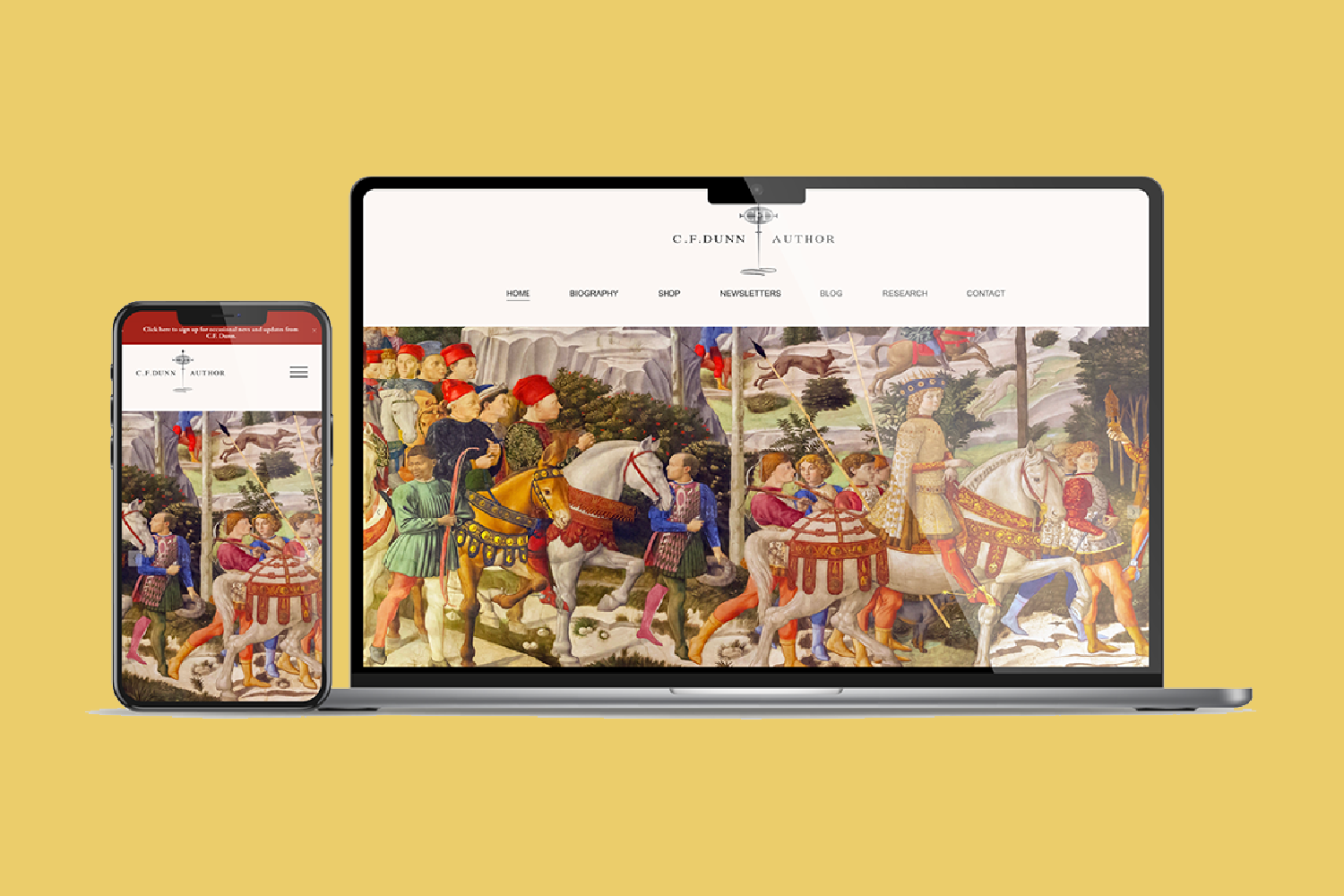
For many authors, social media is the first place they turn when it comes to promoting their books. Facebook, Instagram and other platforms offer opportunities to connect with readers, share news and build an audience.
But while social media has an important role to play in book marketing, it shouldn't be the foundation of your entire online presence.
An author website gives you something social media cannot: a dedicated space where you control how your books, your writing and your author identity are presented.
Whether you're an established author or preparing to publish your first book, here are seven reasons why having your own website is an essential part of building a successful writing career.
1. Establish Your Professional Credibility
First impressions matter, particularly in publishing.
When a reader discovers your book, they may want to find out more about the person behind it. Similarly, publishers, literary agents, journalists, reviewers and bookshops may search for your name before deciding whether to contact you.
A professional website helps establish your credibility. It demonstrates that you take your writing seriously and provides a clear, accessible introduction to you and your work.
Your website doesn't need to be complicated. A well-designed site with an engaging biography, information about your books and straightforward contact details can make a significant difference to how you're perceived.
2. Build a Direct Relationship with Your Readers
Social media is useful for reaching readers, but there's a fundamental limitation: you don't control who sees your posts.
Algorithms determine how content is distributed, and even people who follow your accounts may only see a fraction of what you publish.
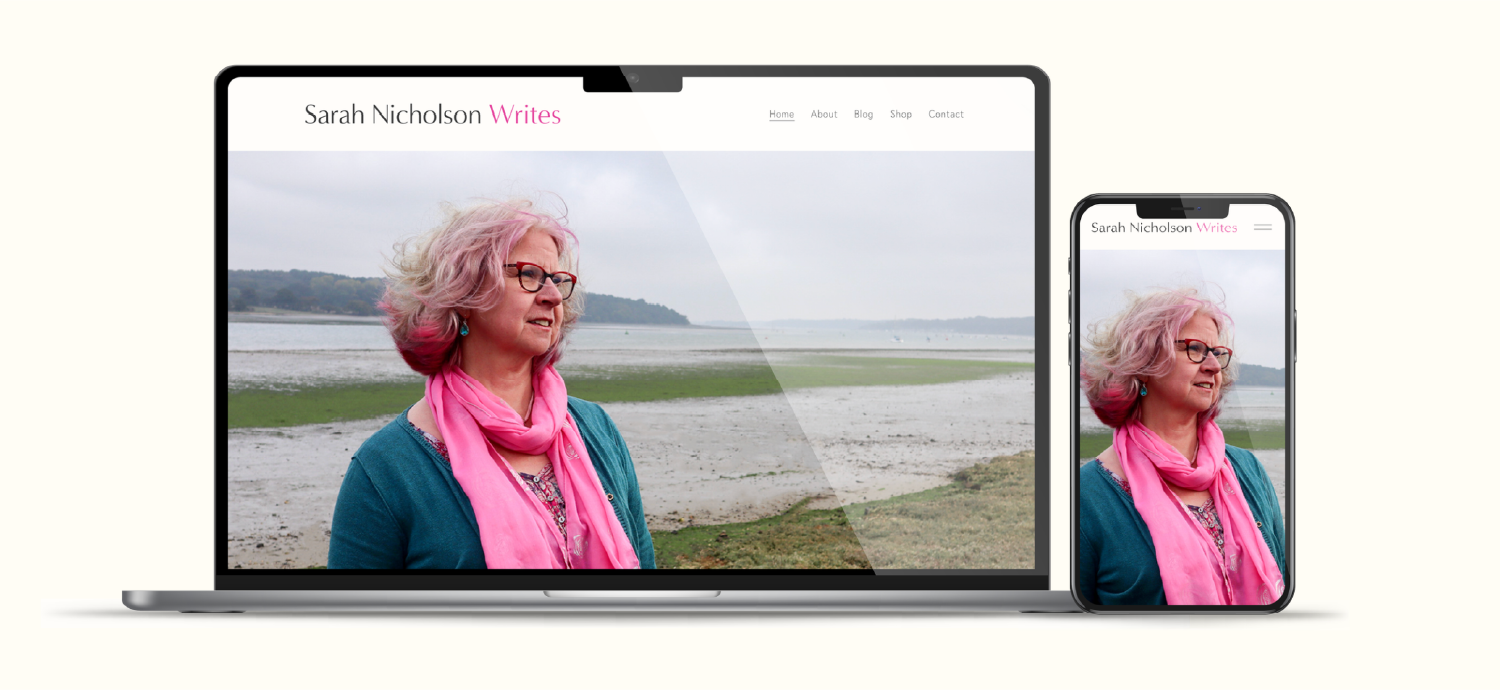
Your website offers a way to build relationships with readers beyond those platforms.
By encouraging visitors to subscribe to your newsletter, you can develop an email list of people who are genuinely interested in your writing.
You can share news about forthcoming books, writing updates, events and occasional insights into your creative process, communicating directly with readers rather than relying on an algorithm.
Over time, that connection can become one of your most valuable marketing assets.
3. Bring Everything Together in One Place
An author's online presence can quickly become fragmented.
You might have books listed on Amazon, a Facebook page, an Instagram account, interviews on other websites and appearances at literary events.
Your website brings everything together.
It can include:
Your books, with descriptions, covers and purchasing links
An author biography and professional photographs
News, articles and blog posts
Upcoming events, appearances and book signings
Reviews, interviews and media coverage
A downloadable media kit for journalists and event organisers
Newsletter registration and contact information
Rather than expecting readers to search across multiple platforms, you can direct them to one central destination.
This also makes your marketing more effective. Whether you're posting on social media, appearing on a podcast or distributing promotional materials, your website provides a consistent place to send people who want to learn more.
4. Help Readers Discover You Through Google
When someone hears about an author, one of the first things they may do is search for their name online.
Having your own website gives you an opportunity to influence what they find.
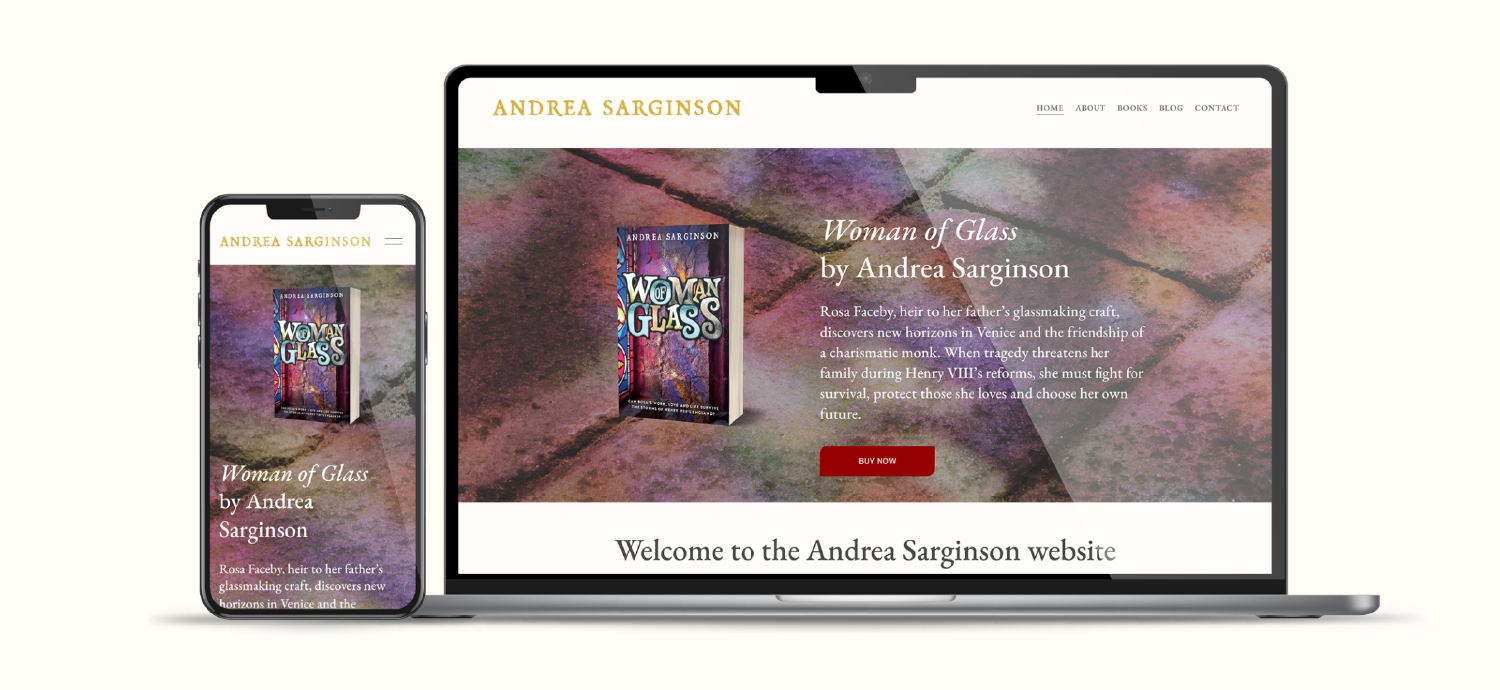
A properly structured website, with relevant content, descriptive page titles and good search engine optimisation (SEO), can help search engines understand who you are and what you write.
Your website can also attract visitors searching for subjects connected to your books.
For example, an author writing historical fiction might publish articles about the period in which their novels are set. A crime writer might explore the research behind their stories, while a non-fiction author could share useful insights related to their area of expertise.
These articles provide interesting content for existing readers while creating additional opportunities for people to discover your work through search engines.
Of course, appearing prominently in Google isn't automatic. SEO takes time and requires a thoughtful approach, but a website gives you a foundation on which to build your visibility.
5. Develop a Recognisable Author Brand
Your author brand is about more than a logo or a particular choice of colours.
It's the overall impression readers have of you and your writing.
The imagery you use, the way you communicate, the design of your book covers and the subjects you discuss all contribute to that impression.
Your website is an opportunity to bring these elements together into a consistent identity.
A historical novelist might choose a very different visual approach from someone writing contemporary romance or psychological thrillers. Typography, photography, colour and the overall style of the website can help communicate the character of your writing before a visitor has read a single word of your books.
Consistency matters, too.
When your website, social media profiles and other promotional materials share a recognisable identity, you make it easier for readers to remember you and recognise your work.
6. Create More Opportunities to Sell Your Books
Ultimately, most authors want their books to reach more readers.
Your website can help make that happen.
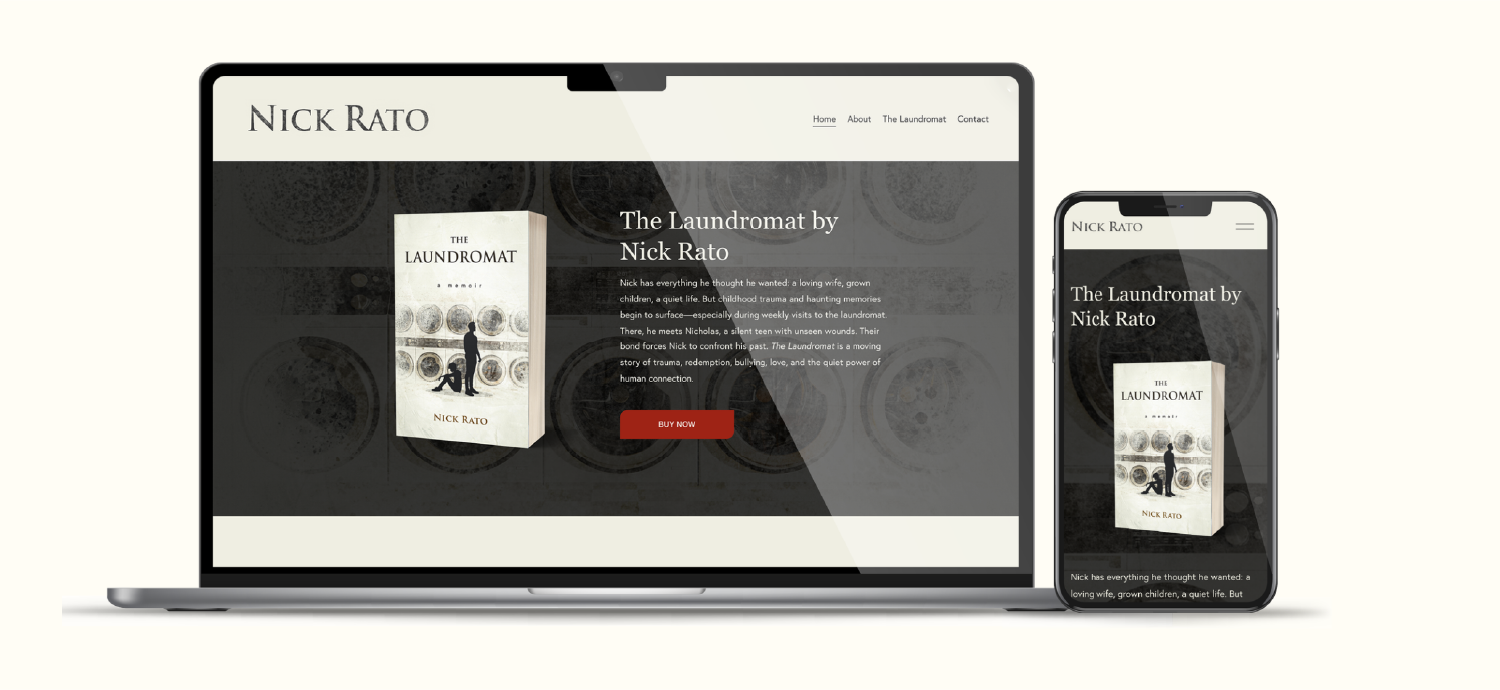
Each book can have its own dedicated page, featuring the cover, an engaging description, reviews and clear links to purchase.
You can direct visitors to Amazon, independent bookshops or other retailers where your books are available.
Depending on your publishing arrangements, you may also be able to sell books directly through your website.
Direct sales can offer advantages, particularly for authors who want to sell signed copies, special editions or bundles of books. They can also provide greater flexibility over how products are presented and promoted.
However, selling directly involves additional responsibilities, including payment processing, postage, customer service and managing orders.
Whether you choose to sell directly or send readers to established retailers, your website helps turn interest in your writing into opportunities for book sales.
7. Build Something That Supports Your Long-Term Writing Career
Perhaps the most important reason to have an author website is that it provides a degree of independence.
Social media platforms change constantly. Algorithms evolve, features disappear and accounts can sometimes be restricted or suspended.
An audience built entirely on one platform is therefore vulnerable to decisions beyond your control.
Your own website, particularly when you control your domain name and maintain access to your content, gives you a more stable foundation.
It can grow alongside your writing career.
As you publish more books, develop new series, attend events or explore different genres, your website can evolve to reflect those changes.
And unlike a social media post that may disappear from people's feeds within hours, the content on your website can remain accessible and useful for years.
Your Website Should Be at the Heart of Your Author Marketing
None of this means that authors should abandon social media.
Facebook, Instagram and other platforms can be valuable ways to reach new audiences, engage with readers and generate interest in your books.
But they work best as part of a wider marketing strategy.
Think of social media as a way of introducing people to your writing, while your website provides the space where they can explore your books, discover more about you and develop a lasting connection with your work.
And you don't need to wait until you've published several books to get started. In fact, establishing your website before your first book is released gives you time to begin building an audience.
At Marketing for Authors, we create professional Squarespace websites designed specifically for writers. From showcasing your books and developing your author brand to integrating newsletters and online shops, we can help you build a website that reflects your writing and supports your long-term ambitions.
If you're thinking about creating your first author website, or refreshing an existing one, get in touch to discuss how we can help.